Category: Kenosha

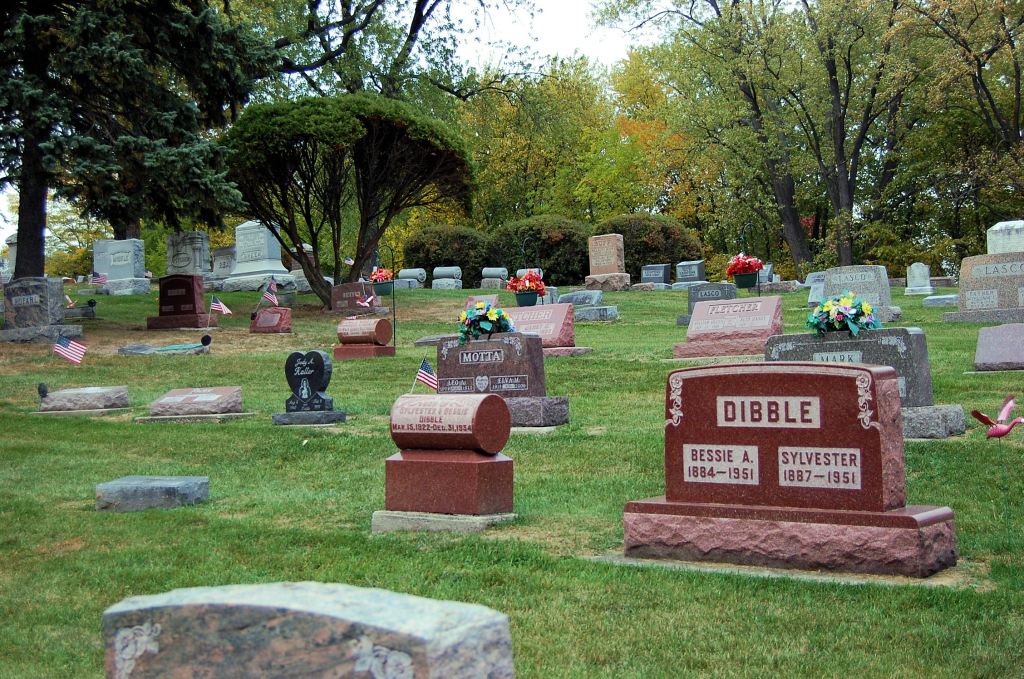
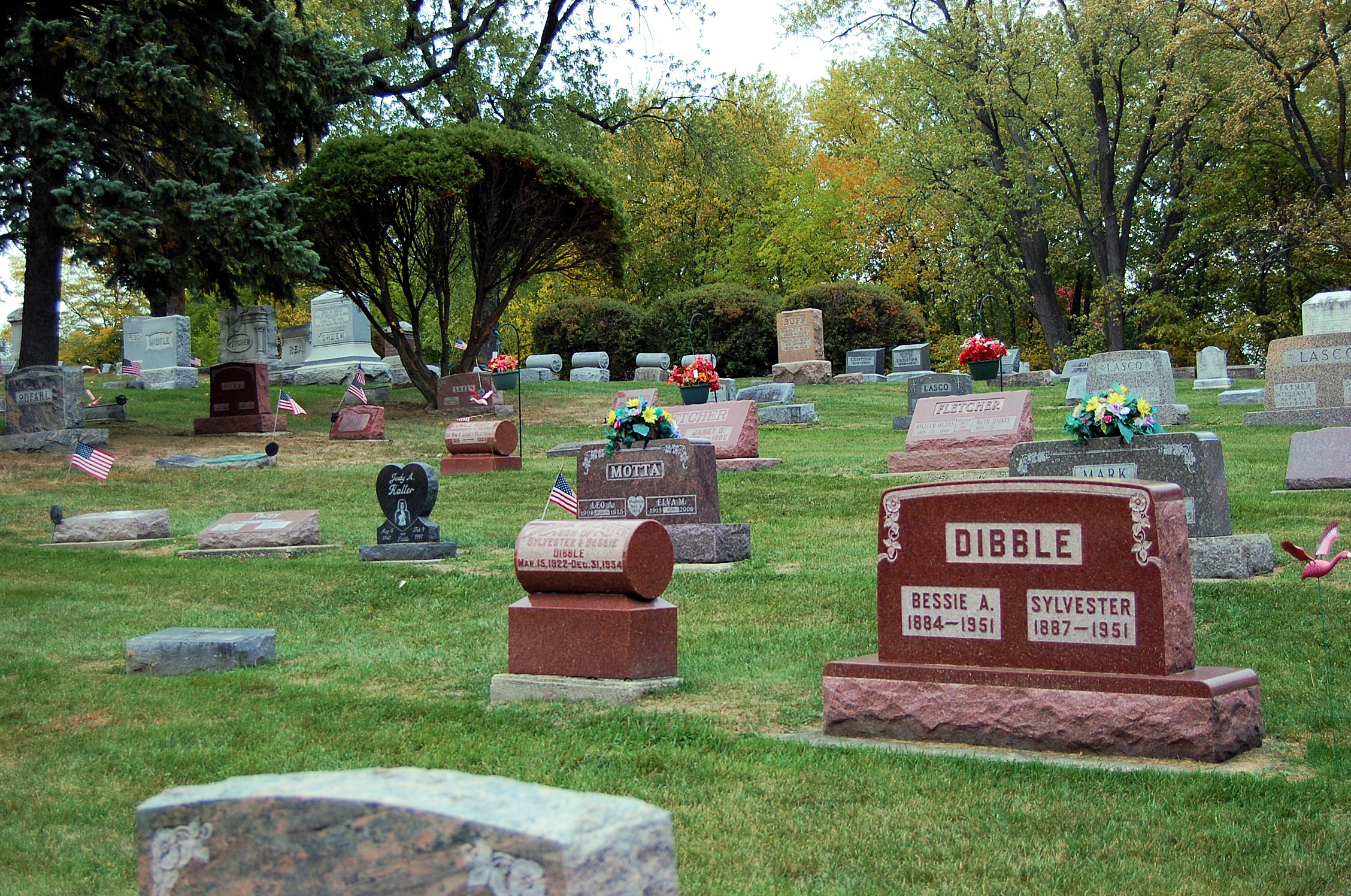
  • Liberty Cemetery in Salem, Wisconsin

    Liberty Cemetery in Salem, Wisconsin

    Salem Wisconsin

    Mike has been helping me keep an eye out for photo opportunities locally. He knows I must feed the blog pictures and subject matter daily Monday through Friday. One thing he cut out of the paper and pinned to the fridge was a series of history walks in Salem, Wisconsin. Perfect for me!

    The only problem was it started at 5pm each day and Mike gets off work at 5pm. These feed the blog things are stuff we do together. With effort on his part we made it to the final one – the history walk in Liberty Cemetery.

    Salem is a small town just west of Kenosha City (where I live) but still in Kenosha county. It’s getting out in farm land territory back in the days when Kenosha was founded and much of it is still villages and farms to this day.

    We had missed the previous three nights history walks. So we didn’t know the full stories of some of the people the tour guide pointed out. Also we aren’t from the area so names of prominent families meant nothing to us. Nor did her explaining that Mr. So and Sos farm from the early 1900s took was is now the Jones, Smith, and Brown farms today. Still we did learn a few things and I’ll share those with you.
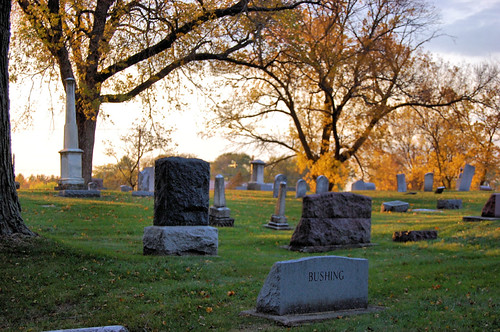
    Liberty Cemetery Salem, WI

    Mike and I knew that Kenosha was originally called Southport. It was founded by a group from Utica New York who decided they needed a port on Lake Michigan. That’s all we knew. We’d pondered why a group in Utica thought they needed to send families here to make a port. We’d lived in Ballston Spa and I’d worked in Schenectady New York. So we knew where Utica was and that it didn’t even have a port on Ontario the closest Great Lake. What possessed them to think they needed to start one all the way over here on Lake Michigan?

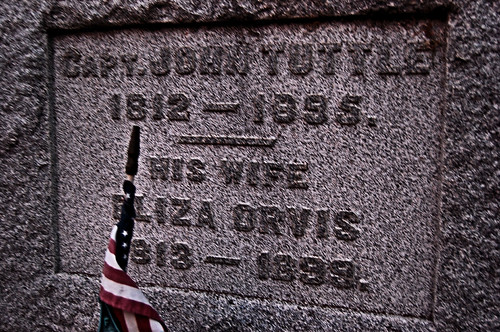
    Capt Tuttle’s story held our answer. It appears in the mid 1800s in Utica they still followed the tradition of the first son inherits the full farm. The second and later sons were just out of luck. So Utica wanted to offer an outlet to these non-inheriting sons and their families. This was the beginning of the lumber boom here in Wisconsin. The thought was to form a company to send these families west to settled there and send first wood then later produce to fuel the growth in the eastern seaboard. Forward thinking really, as the small New England farms were going and the big cities of New York, Boston, and Philadelphia were booming.
    Liberty Cemetery Salem, WI

    Utica formed a company for this venture along the lines of the West Indies Company that helped expand into the Carribean but this was to expand to the western shore of Lake Michigan. That’s where Capt. Tuttle comes in, he was hired as part of this company. He owned a large sailing vessel and was the mode of transportation from an Lake Ontario port to the new Southport on the west side of Lake Michigan. Passengers purchased fare to transport them to Southport, put them up there for a few weeks then they were to go west and claim land. Capt Tuttle retired to Kenosha (then Southport) a very wealthy man and knew most of the families in the area as he’d helped them settle there.

    Liberty Cemetery Salem, WI

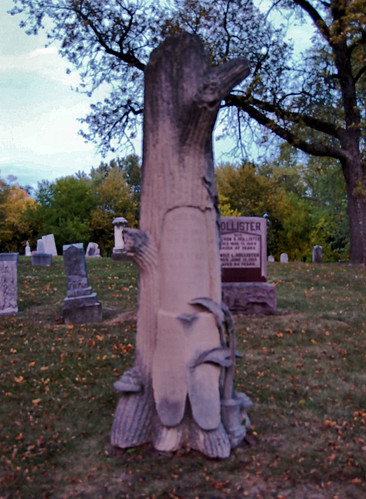
    You notice these tree style markers in many cemeteries around here. I always wondered was it a fad at the turn of the century in this area? Did it mark say founders who cleared the land for farming? What was the significance of such a marker. It was for members of the Modern Woodman Fraternal Order. Their footings even were made to look like logs. Sorry these photos are off but night was falling and I had to really adjust to get enough light for the image. Apparently I didn’t hold still enough.
    Liberty Cemetery Salem, WI

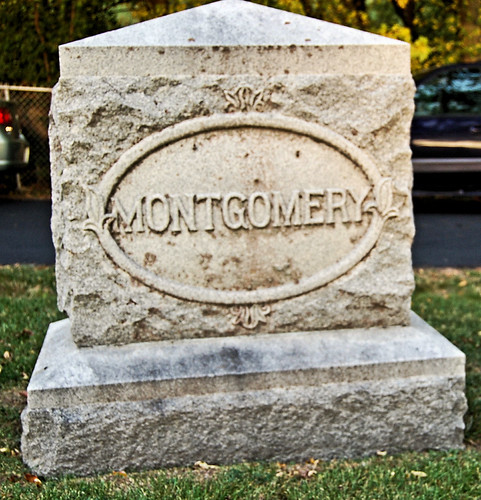
    The Montgomery family claim to fame was a connection to Mary Todd Lincoln. One of the Montgomery women was a private nurse to Mrs. Lincoln for a time. I found that interesting and wish I’d gotten the name of the woman who was the nurse. Maybe next time I’ll catch that.

    I found this next marker interesting. See the stone there behind the flamingo. Those flamingo markers were used by the tour guide to mark the graves she was talking about. She stopped to tell us about this stone.

    Liberty Cemetery Salem, WI

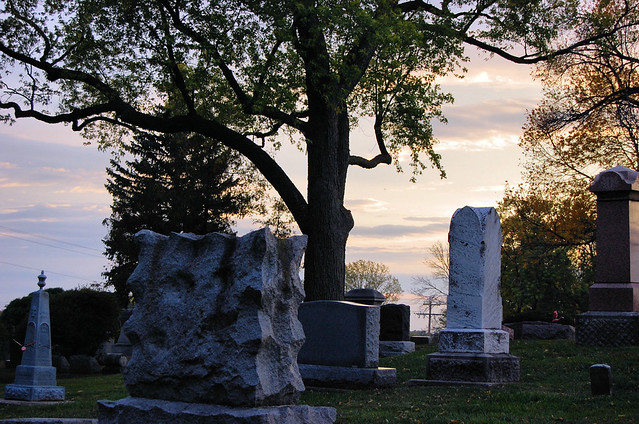
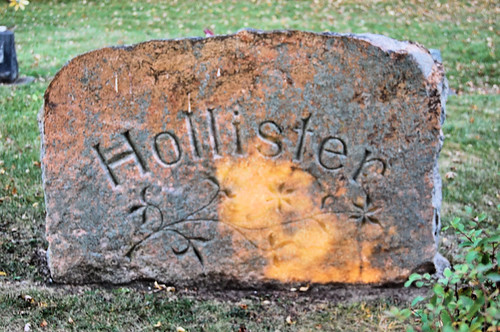
    It’s a natural stone from the Hollister family farm. They were the only family to haul a natural stone from their farm to mark their family plot. Here’s a picture of the other side.
    Liberty Cemetery Salem, WI

    As you can see it is carved. I know it is simple but I think it is lovely. I actually like it better than some of the fancy ornate markers of other family plots. This one came from their home and is elegant in the simplicity of it.
    Liberty Cemetery Salem, WI

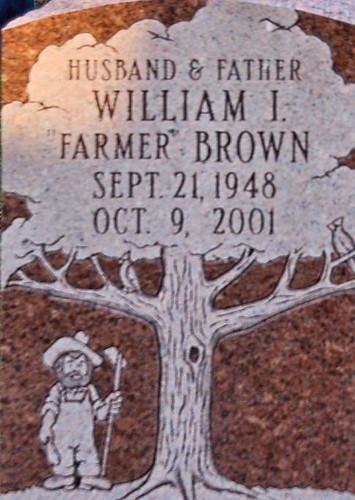
    I liked this stone. Farmer Brown’s is a large produce farm in the area. Right now it’s their big cabbage and pumpkin season. Once when I was at my parents I noticed the pumpkins for sale in their local store had come from Farmer Brown’s in Kenosha Wisconsin. This marker did something a tombstone rarely does – it made me smile. I thought of happy farmer with happy produce. I thought of Aaron as a baby when I’d read the children’s book Farmer Brown. “The cows are hungry but where is…” and he’d shout at the top of his lungs “FARMER BROWN!” I liked it even though I didn’t know the man or his family. I instantly had warm feelings for them. However, the tour guide did say some Brown family members think it is too cartoony and want it changed to something more respectable. To me what’s more respectable than being remembered with a smile and good thoughts?

    That’s our little tour of the small “old” cemetery in Kenosha. I put old in quotation markers because to me this is such a new area. I mean Wisconsin was only made a state in 1848. So the “old” grave here were after that. I was raised in a church that was over 200 years old. I lived in Charleston South Carolina where the OLD homes were built in the late 1600s. My grandfather was born in 1899 so I can name my line back to 1848 from memory! This is a young place still establishing itself. Still I loved learning about the area, seeing the history and hearing the tales of those who lived here before me. Except unlike them I intend to die somewhere warm preferably on a beach with pineapple dink in my hand watching a hunky pool boy.
  • Why I Like Cemeteries

    Why I Like Cemeteries

    Salem Wisconsin

    I’ve always liked cemeteries. No, not for the macabre reasons. I them for lots of reasons.

    I like them because they are peaceful and scenic. If you want a place to go and be left to your thoughts, a cemetery is the place. Honestly even in a big city it’s quiet and people leave you alone. I’m not advocating being unsafe here like going to dangerous areas alone or at night in areas not well lit. But to sit quietly and think without shouts of people playing and such. A nice cemetery is the place to go.

    Liberty Cemetery Salem, WI

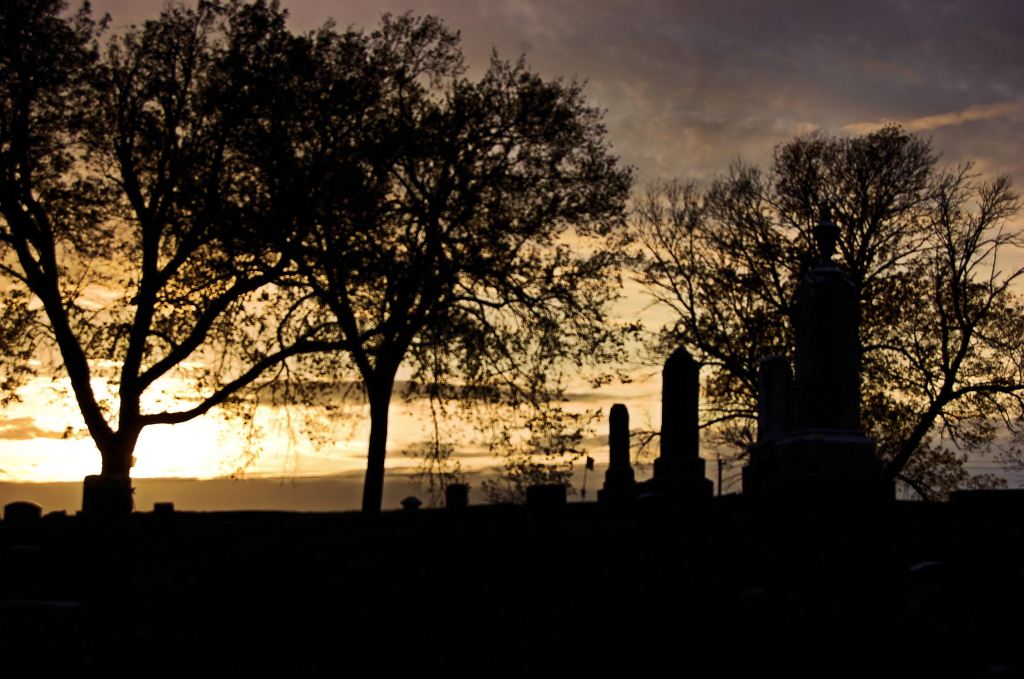
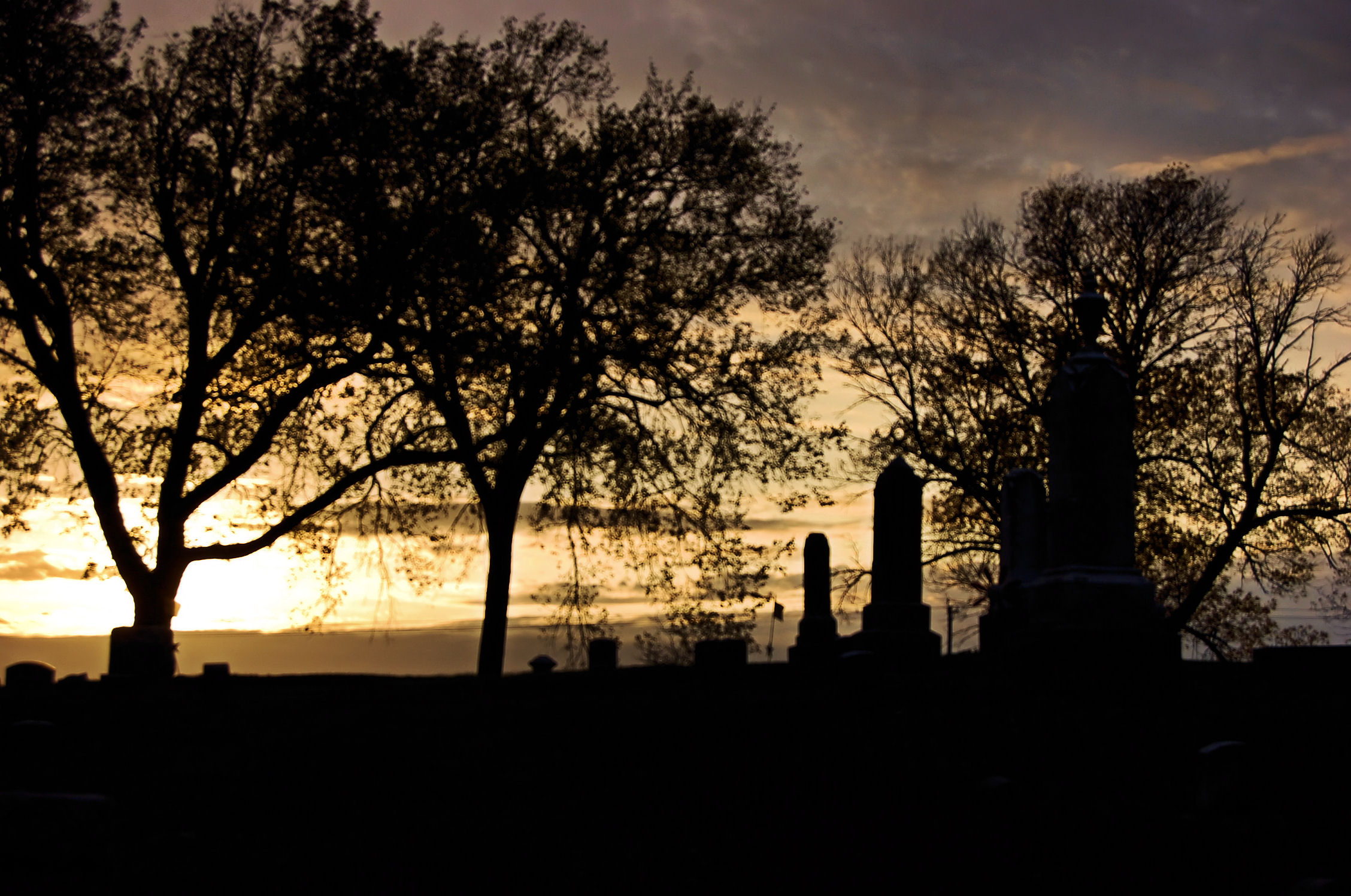
    They are great places to learn photography due to textures, colors, distances, shapes, etc. You can learn a lot about composition of shots. You can learn about depth of field and focus. You can work on macro and distance compositions. You can gain different textures to see how it effects the shots and mood of the prints. It’s where I went to learn how to use a SLR before there was any automatic settings at all – everything was manual and I used film.

    Liberty Cemetery Salem, WI
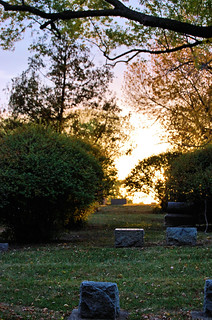
    Notice how the same shot changes in mood given the exposure type.
    Liberty Cemetery Salem, WI
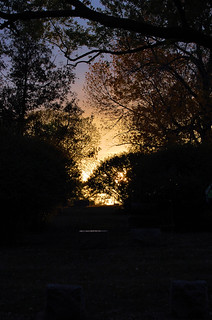
    Notice how the same shot changes in mood given the exposure type.

    Cemeteries are an excellent place to learn history of an area. Without a guide you can wander a cemetery looking at death dates to pick up times of hardship in a community. You can see bad winters, epidemics, and armed conflicts. You can see about when the earliest people came to the area by the dates on the oldest graves. You can know a lot about cultural influences by the monuments and methods of burial. If you know your symbols of tombs and general symbology of the predominate culture (in the old US cemeteries that’s predominately European) you can learn about the people – their hopes, dreams, fears, and loyalties.
    Liberty Cemetery Salem, WI

    If you are into genealogy you can learn a lot about families. Often on the tombs you’ll get marriages, children, and such. You can see how say this family merged with that one with several marriages over a century. You can also watch family names die out as a generation of only girls marry off to other names. Sometimes you can see immigration patters as places of birth or death are noted if they aren’t where the plot is located. You can find information about military service that will lead to military records and more finds.

    Liberty Cemetery Salem, WI

    This time of year there are many cemetery tours. Some offer tales of the spooky and some offer history, I enjoy both types. Recently Mike and I went on two of these tours that were history centered. The photos here came from those walks. I’ll be doing posts to tell what I learned on the walks but first I thought October was the perfect time share a post in the praise of cemeteries beyond a place to store the dead.

    Until next time!

  • Historic Buildings By The Railroad

    Historic Buildings By The Railroad

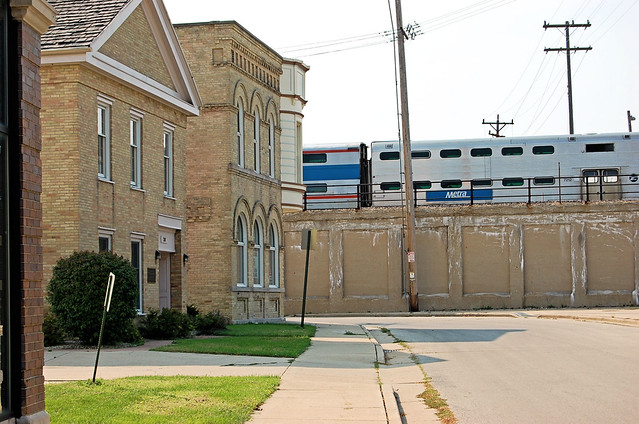
    William Seymour house, Maple House, and Metra Tracks
    William Seymour house, Maple House, and Metra Tracks

    Kenosha has several designated historic districts. This is the smallest one and it is called the Pearl Street Historic District. It consists of just four buildings on a short street between the police station and the Metra railroad. It was listed as a historic district in 1998 for the architectural quality. I have to say when I got out to look at the buildings the didn’t look too remarkable but after reading up on each building I see why they were preserved. All were threatened with demolition in the 1980s but when the unique structure of each of them was discovered they were rehabilitated in the 1990s by their owners and developers. Today three are office buildings two with spaces for rent, one is a church today.

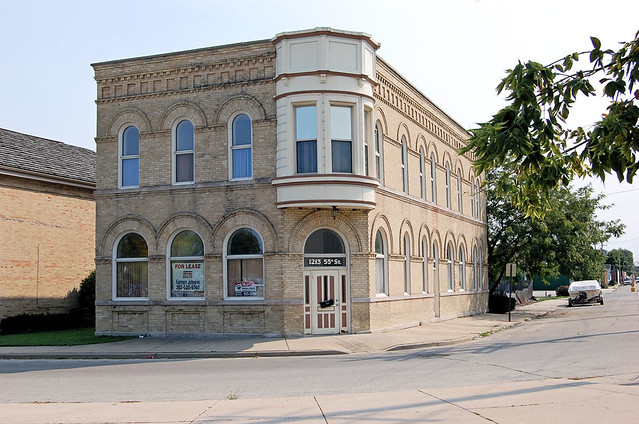
    Corner building with door facing corner and turret over door
    Maple House, 1213 55th Street

    The unique feature here is a corner turret covered in sheet metal with decorative cornice edges where it meets the flat roof. The round arches over the windows are a distinctive trait of the Cream City brick building. The building was constructed in 1880 and is a good representation of the Italianate style that was popular at the time. It was originally know as Maple House from 1896 to about 1925. At this time it was a popular saloon for railroad workers. In 1933 it because the Schlitz Hotel and Tavern. Later it was referred to as the Wisconsin Hotel. It sat vacant for 30 years but when the uniqueness of the structure was discovered it was renovated to the office building it is now. As you can see it has space for rent today. I joked it was the perfect place from my B&B (Books and Beads) store. No, no never running a store but sadly Kenosha lacks a bookstore of any kind even a chain one!

    William Seymour House at 1207 55th Street Kenosha WI
    William Seymour House at 1207 55th Street

    This home is in the Greek Revival style much like the Hull House in Waukegan started before it was remodeled to Victorian Gothic. This is a prime example of early architecture in this area. (seems so strange to consider 1850 EARLY I mean in Charleston we were talking about the 1680s as the early stuff, Tennessee it was the 1770s but here it’s the 1850s heck I name my direct line by memory that far back). The rumor was this was the home of the inventor of the typewriter but that’s wrong. It was built for William Seymour in 1850. It then became a boarding house and saloon. It was so successful that it expanded building the Maple House pictured above and the two were connected for a time. During prohibition, the buildings served as a restaurant, speak easy, hotel, and Communist Labor Party headquarters. About 1930 the house was disconnected from the Maple house and left to sit until renovations in the 1990s. Today it is a law office.

    Winberg Building 1109-1113 55th Street, Kenosha Wisconsin
    Winberg Building 1109-1113 55th Street, Kenosha Wisconsin

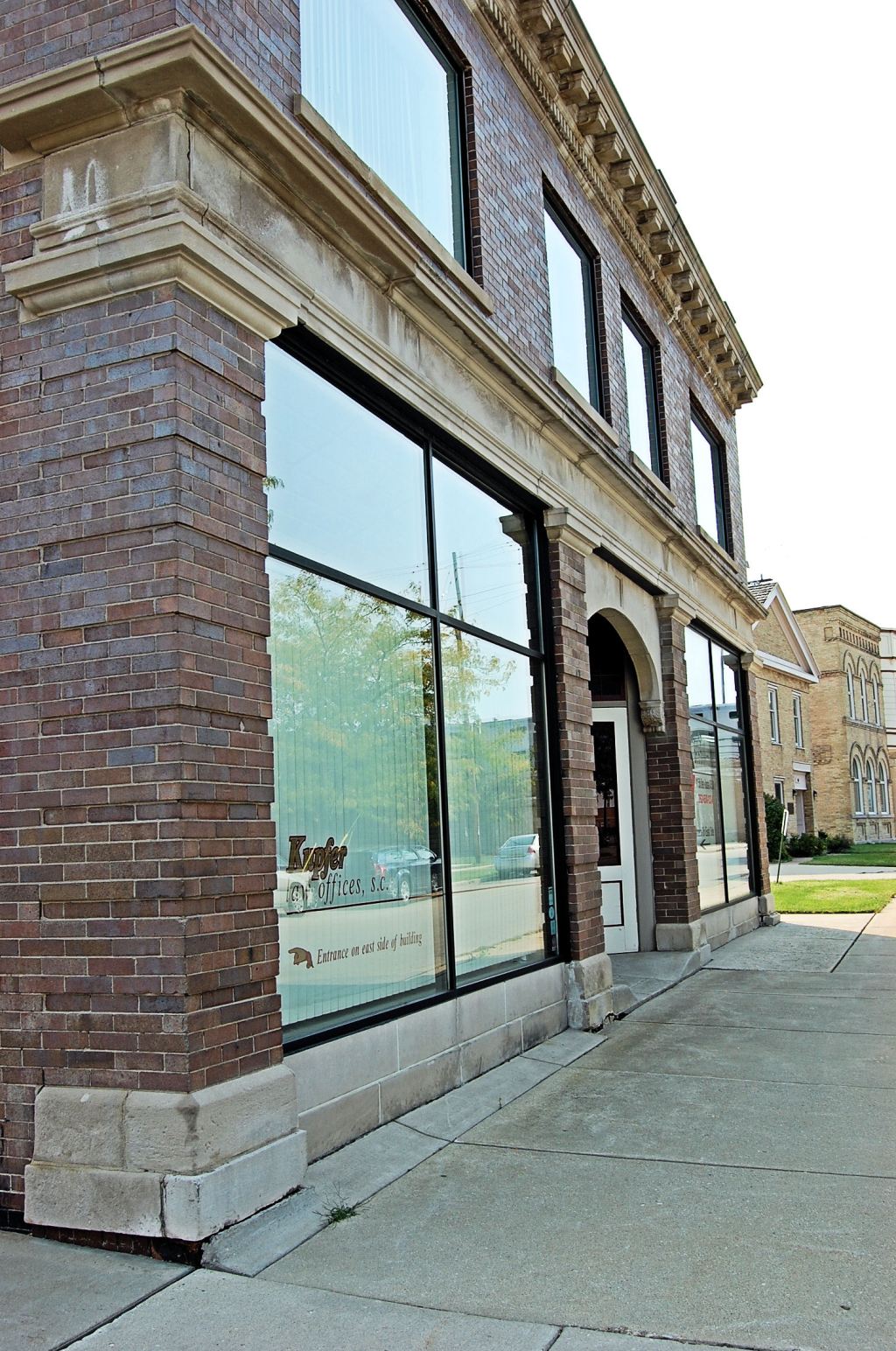
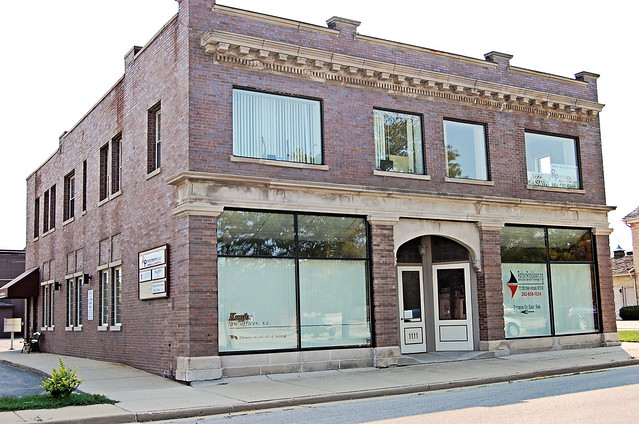
    This is the Winberg Building built in 1907 and house Kenosha’s first modern grocery It was known for it’s large storefront windows. It is in the classic revival style and made from red brick with Cream City brick accents, the recessed entrance offered shelter from the lake winds when entering. Windows for business in the area before were smaller with dividers like the next building. John Winberg built the building to house his grocery and another small business. It did so until the grocery closed in 1920. Then the grocery store part was partitioned off to smaller areas that were leased to short term tenants. It was remodeled in the 1990s and now houses offices of accounting firms, lawyers and such.

    Cast Iron Front Building 1100-1106 55th Street, Kenosha Wisconsin
    Cast Iron Front Building 1100-1106 55th Street

    This City Cream brick building is unique in that it’s three window bays are from the late 1800s and feature cast iron facades. These were popular for stores in that time period because it offered a way to have elaborate decorative detail without a lot of expense. Also these would be mass produce and shipped in one piece. It gave the possibility of having larger store front windows until the development of windows like those used in the Wineberg building about 30 years later. Unfortunately today the owner has allowed ivy to grow over the building making it hard to see the detail in the cast iron. Also at the time I took the picture a church service was going on inside. I didn’t want to seem to be a lurker so I made photos from across the street. I did walk past to see if there was a spot I could get a shot of these details but no. However as common as cast iron storefronts were in the late 1800s these the only three left here in Kenosha.

    Until next time!

  • The Glimmer of Glass

    The Glimmer of Glass

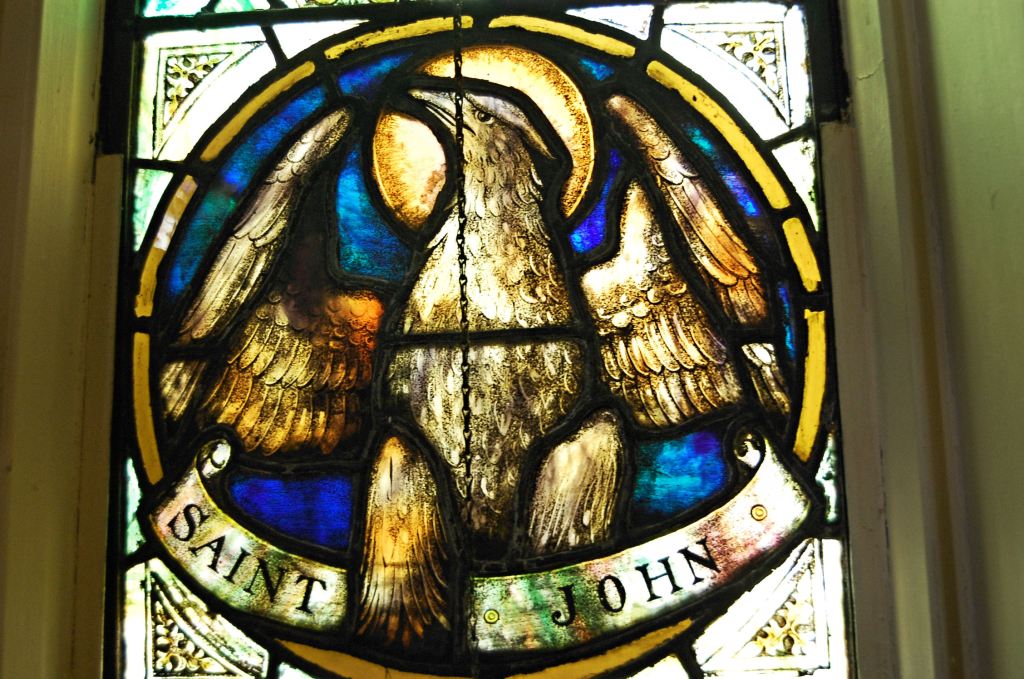
    Griffins & Shield window in Ambrose Hall
    The Griffin was the mascot of the school. You’ll see it used often in the design of the windows. This window was in Ambrose Hall and was given by the class of 1907.

    Oh, I do adore stained glass windows.  I think that’s partly why I long to work with the Czech glass beads of various types.  I like the gem like quality and wide diversity glass offers.  On our first visit to the Kemper Center was to tour the Durkee Mansion  the stained glass windows caught my eye then.  On our recent tour of the Kemper Center proper  I got to see them through out the center.  It was a tradition from the earliest classes to design, commission, and donate a window with the class motto to the center upon graduation.  Some windows in the campus chapel were donated as memorial or honors for individuals by families or groups.

    The earliest windows were made in Germany.  I can’t imagine they were cheap to have made there and shipped here.  I’m sure the project took all senior year if not started in their junior year.  Later windows were made in England such as the Angel and Mary one.  Still not cheap I’d bet.  Then later ones than that were made here in the US.  I’m sure it was a be thing to have your class window come in and be installed.

    We were lucky when we toured the center that it was very bright day.  The sunlight through these windows was amazing.  I can’t say the images did it justice but it gives you a good idea of how lovely these works of art are.

    (more…)

  • An Advanced School for Girls

    An Advanced School for Girls

    Chalk brick building with begonia in white and pink trimming a manicured green lawn.

    Kemper Center is  an important landmark here in Kenosha.  It was added to the National Register of Historic Places in 1976  for historic significance in architecture (Italianate/Gothic), Education (girls school 1865-1975), and religion (Episcopal Sisters of St. Mary Western Provence).  It is named for Bishop Jackson Kemper, the First Missionary Bishop for the Northwest Territory of the American Episcopal Church.  It’s Register number #76000067.  The last time I did a post about it was highlight the Durkee Mansion during the holidays. Today highlights the school itself.

    It’s not often open for tours.  Mike and I were determined to see the center when we read in the paper it was to be completely open for tours on that Sunday.  From the nun’s lodging through the chapel to class areas including the first women’s chemistry lab and the Griffin observatory then out through the Simmons Gym. Sounded great and we were looking forward to seeing the interior.

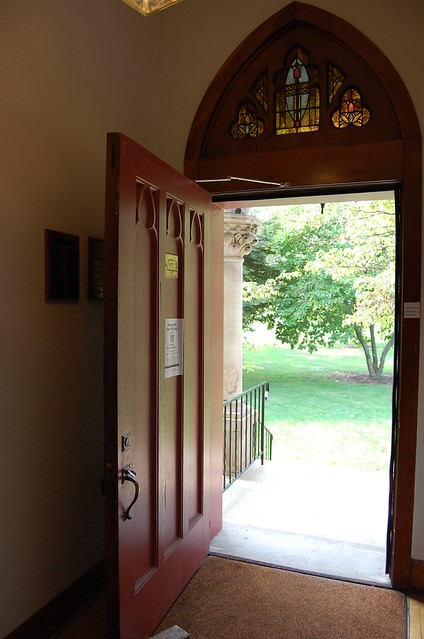
    A red door stands open to the well manicured lawn. Above the door is a stained glass window.

    The campus of the school grew of the years.  We started in Ambrose Hall which was home to 36 nuns and was built in 1911.  It even had a red door – yes I made a picture of it! It is named for Sister Mary Ambrose who was Mother Superior and headmistress at Kemper for nearly 40 years.  This hall featured the dining room for the nuns where they took their meals in silence but had a wonderful view of the lake.  Upstairs were the quarters for all the nuns except the Mother Superior who resided in the Durkee mansion.  There is a private chapel upstairs for the nuns.  This area was off limits to students and men it was the nuns area.

    There were many beautiful stain glass windows here as there were in the Durkee manison.  It was tradition that each graduating class design and donate a glass window to the school.  I’m going to give them their own post since the were so colorful on the sunny day of our tour.  Just know they are beautiful.

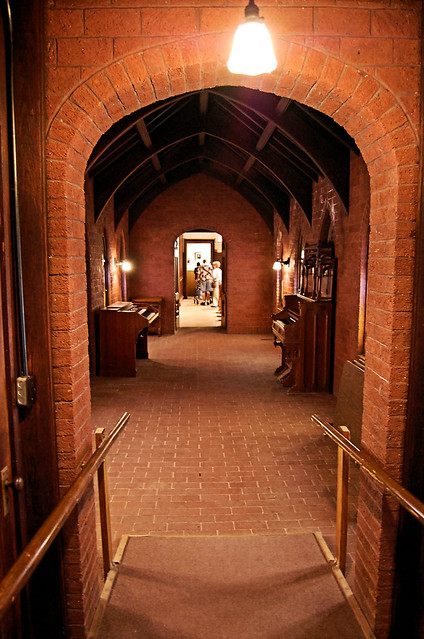
    Next the tour moved into the Red Brick Cloister built in 1911 connecting Ambrose Hall to the campus Chapel.  This was the final area of the sister’s retreat.  It is made of dark wood and red brick with Gothic arch ceiling.  Both sides are lined with beautiful stain glass windows each window offering a different stylization of the lily.  The Order of the Sisters symbol was the lily.  The area was very peaceful and calming.

    View from Ambrose Hall through the Red Cloister to the Campus Chapel

    From there we moved into the brightness of the campus Chapel built in 1875.  Like many structures it’s been expanded and elaborated upon since it was built.  In 1904 the marble Baptistery was added.  That features stain glass windows of the archangels.   The iron gates to the Baptistery and the Baptismal font were gifts from the Morrell family in gratitude of their daughter surviving the Chicago Iroquois Theater fire.  The rood screen separated the sitting area of the sisters from that of the students. It was designed by Anna Upjohn a student and was built in 1889.  The altar and pews were hand carved in the Germany.  The triptych over the altar features the main painting is a copy of The Mystical Marriage of St. Catherine by Fra Bartolommes.  The two side panels were painted by Anna Upjohn the same student that designed the rood screen.   There were numerous stained glass windows given as memorials, honorariums, and class graduations. 

    From there we entered the school proper. The intention of the school was to teach the girls to have spiritual, intellectual, and physical force to become leaders in society.  Roy Roger’s daughters attended here as did Basil Rathbone’s as did the future  Mrs. Alan Ladd.  Ms. Frances E. Willis the first woman ambassador was a member of the 1916 graduating class.  Today there are about 2,000 living alumnae living in all 50 states and 8 foreign countries.

    Alter with three paintings

    Through this connecting hall to the larger part of the school we passed the Bridal room.  A lovely room for brides to dress in their gowns and prepare for their wedding.  Also there were various displays about dorm rooms, class rooms, preparation of the chapel for services, and such.  Oh and yes still gorgeous stain glass windows continued throughout.

    Then we entered the dining hall.  We’d been here before for A Casino Night fund raiser for the care of the hall and observatory. There was a lady that had worked in the kitchen.  She told us stories about the girls, nuns, and priests.  Seemed many of the girls were children of families that traveled for work.  She remembered daughters of circus performers, diplomats, military families, and such.  She said she thought they started awfully young, at 5th grade.  Hard to be away from your family at that age.  School was year round not September – June as it is today.  They always sang a Latin prayer before meals and two sisters roamed the dining room watching for proper use of utensils and table manners.

    Dorm Room and Uniform display

    Next for us was the chemistry lab that was built in 1894.  It was modeled after a new one installed in Harvard at the time.  One of the Sisters came into an inheritance and felt this area of the school needed attention.  They did not shy away from teaching the girls science offering classes in astronomy, biology, botany, and chemistry.  This was the first chemistry lab in Wisconsin and the best lab outside of Harvard.  IN A SCHOOL EXCLUSIVELY FOR GIRLS!  I found that amazing!  I was very proud of the progressive stance these Nuns took in their education of the girls.

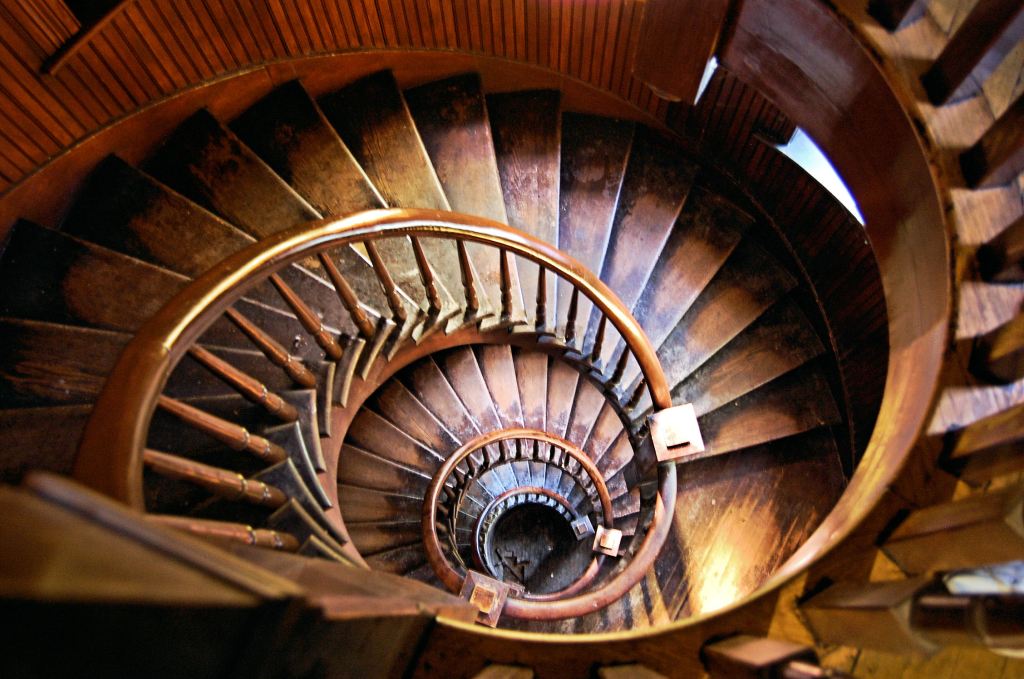
    Next was the Tower Stairway to the Observatory built in 1890.  We didn’t get to use the stairway as it is close due to not being to today’s code.  We used the modern elevator but were allowed to look down it and hear of hopes to renovate it.  It was astoundingly beautiful.  I can’t imagine climbing those stairs in those long dresses of the time.

    Dining hall today
    Dining hall today with the lady that once worked in the kitchens.

    From there we went out onto the astronomy observation deck.  Talk about a view of the lake!  WHEW!  It was lovely.  We could look at the aged copper dome over the Griffin Observatory but the actual telescopes were locked.  They are now used by the local Carthage College and were secured.

    From there we went back down to the floor where the chemistry lab was and looked over the study hall, library, and classrooms.  These were all located just above the dining hall. Each student had an assigned school desk in study hall where they kept their books for various classes.  Some classes were also held in the Durkee Mansion.  The classes often took place in several rooms.  The example we were shown were the foreign language rooms.  All girls were required to study Latin and another language.  There was a classroom sitting where they did their basic classroom studies of the language.  There was a conversation room, where the girls would adjourn in small groups with a teacher to converse only in the language being studied. The thought was moving about and changing venue for different aspects of the lesson helped the learning experience.

    Women in period dress at a table with various chemistry glass ware behind them in the other room you can see full size diagrams of human anatomy
    As always you can click any image to enlarge. This is the the class of 1886 who chose for their class portrait to be in chemistry class. This was before the spiffy new lab. Still the women were studying chemistry back then. Look into the background on the left and you will see diagrams of the human body posted full size in the other room.

    Finally we made our way back past the chemistry lab, observatory elevator and out to the Gilbert Simmons Gymnasium built in 1901.  NOW I know why people always go on about the Simmons Gym.  It’s not like my high school gym oh no!  It’s painted beautifully in the style of the Bayeux Tapestry!  There’s an ornate balcony where the Sisters observed the gym class.  The mural is stunning!  It was painted between 1910-1916 under the supervision of the art teacher Edit Bacon.  It was drawn by the students and painted by professional painters.  The center design has the motto of the school in Latin “fight the good fight”  The work on the mural was a gift from the 1915 and 1916 graduating classes.  The other dates on the shields were dates that restoration work was done.  The other tour members had been to weddings in here and say it’s lovely when fully decorated for a reception.

    From there we exited the school and enjoyed looking over the exterior given what we had just learned.  Then we gawked at Lake Michigan from the fishing pier.  The day was beautiful and many sailboats were making use of it.  Another tour group waved to us from the astronomy observation deck.  All in all it was an excellent tour and I was glad we went.

    (more…)

  • Construction In My Neighborhood

    Construction In My Neighborhood

    This one is just across from our house

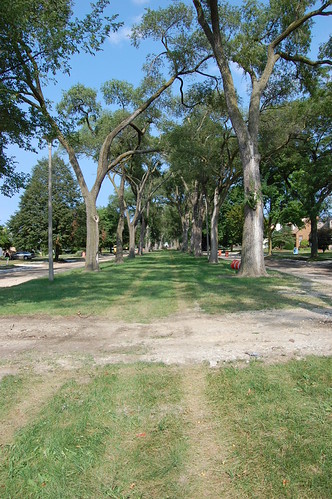
    I live in a quiet neighborhood.  Our house is just over 70 years old.  We’re typical of the community.  We like it here.  It offers a good mix of ages, people are friendly, there are sidewalks (a must for me as a walker), conveniently located to things, and over all it’s a slice of Americana.  One problem was high speed traffic cutting though on our promenade street.   It’s a street where the median separates the two directional lanes.  The median is wide and has grass, gardens, and is edged by ancient walnut trees.  This runs diagonally through the square of our neighborhood and complaints of people speeding (going above the posted 25 mph) have been a normal chorus among residents.  Requests for speed bumps or speed tables or other traffic ‘calming’ devices fell on deaf ears.  Then one day construction started.  After neighbors that live on that street questioned workers they learned a round-about was being installed to slow traffic flow. No hearing, no public debate, just being done.  It’s an answer to the speeding problem.

    Our usually picturesque median with orange barrels

    Now, don’t get me wrong I’m glad to have an answer.  I was mildly annoyed by the cut-through, and made a point of holding them up by driving 23 mph when on the road. Nope not faster than going on the main roads now is it cheater!  I was for repaving the place and putting speed tables in.  We had them in our neighborhood in Tampa and they worked like a charm but didn’t disrupt traffic flow.

    You see I’m not a big fan of roundabouts. They were diminishing in popularity when I was getting my driver’s license.  Many communities were paying to take them out and install traffic lights.  I can remember driving to Kingsport when I was learning to get experience with them.  All of those are now gone to except Church Circle.  But it seems roundabouts are making a resurgence in popularity at least in this area.  I can think of four that have been installed in the past three years (not counting the one in constructions just two blocks away).  I strongly object to them because I find they don’t help traffic flow but hinder it.  I think a light is more helpful and you don’t have people starting, stopping, cutting you off or riding your butt because they aren’t sure what the hell they are supposed to be doing.

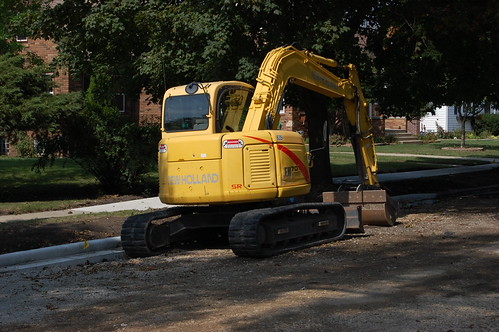
    Construction equipment parked

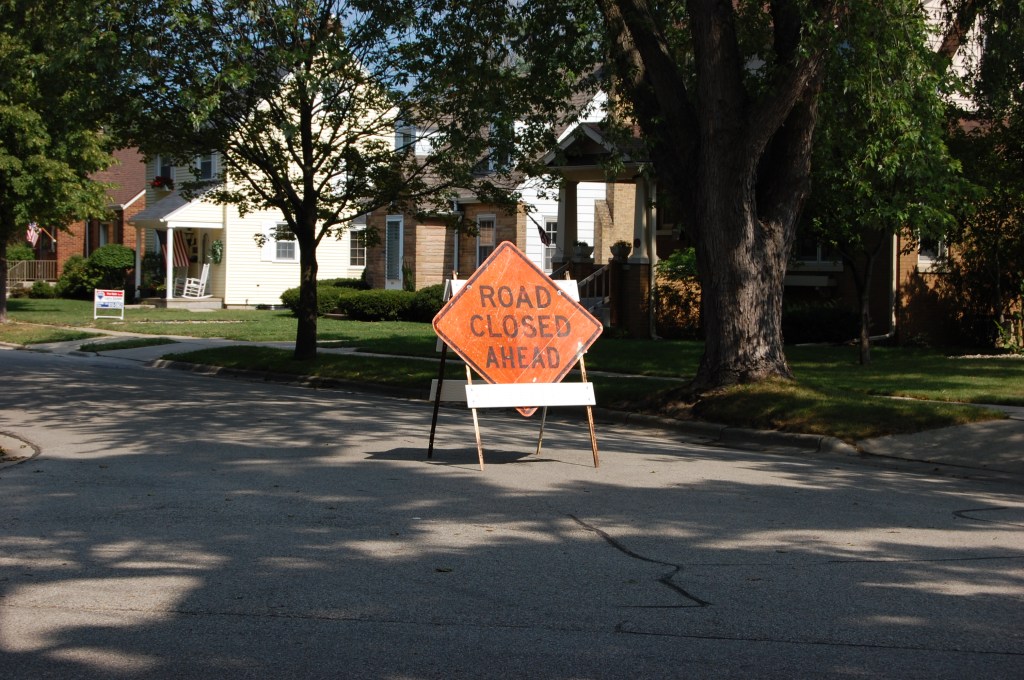
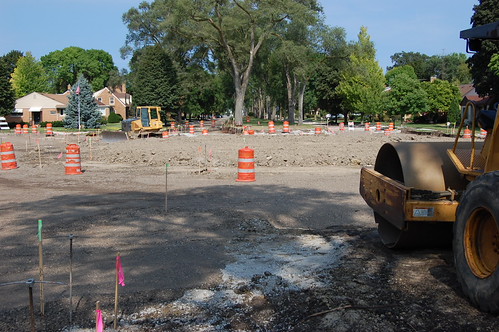
    Now back to my neighborhood, the road is closed and torn up now.  The project was budgeted to take 4-6 months depending on the weather.  Some residence can’t get in or out of their driveways for days during construction.  My days with the windows open are fill with back-up beeps, shouts of construction workers, clangs of construction, and loud machinery.  When I work on my porch I get to watch speeders slam on their breaks at the road closed sign then speed down my street to blow the stop sign on their cut through.  There’s been two wreck there so far despite the added warning signs.

    I’m left wondering is this the most cost effective way to address the problem?  I watch the large crew work as I walk Rappy and wonder if this is less expensive and more effective than speed bumps/tables in ‘calming’ traffic.  Really do we need this BIG production and expenditure?  I guess the city fathers/mothers thought so and we’re getting it.  I’m just wondering how many decades before they fall back to the thoughts of that were popular when I was learning to drive – then go around removing roundabouts that are being installed now.

    Street torn up and round circle of dirt being formed

    Until Next time!

    (more…)

  • Hurricane Isaac Found Wisconsin

    Hurricane Isaac Found Wisconsin

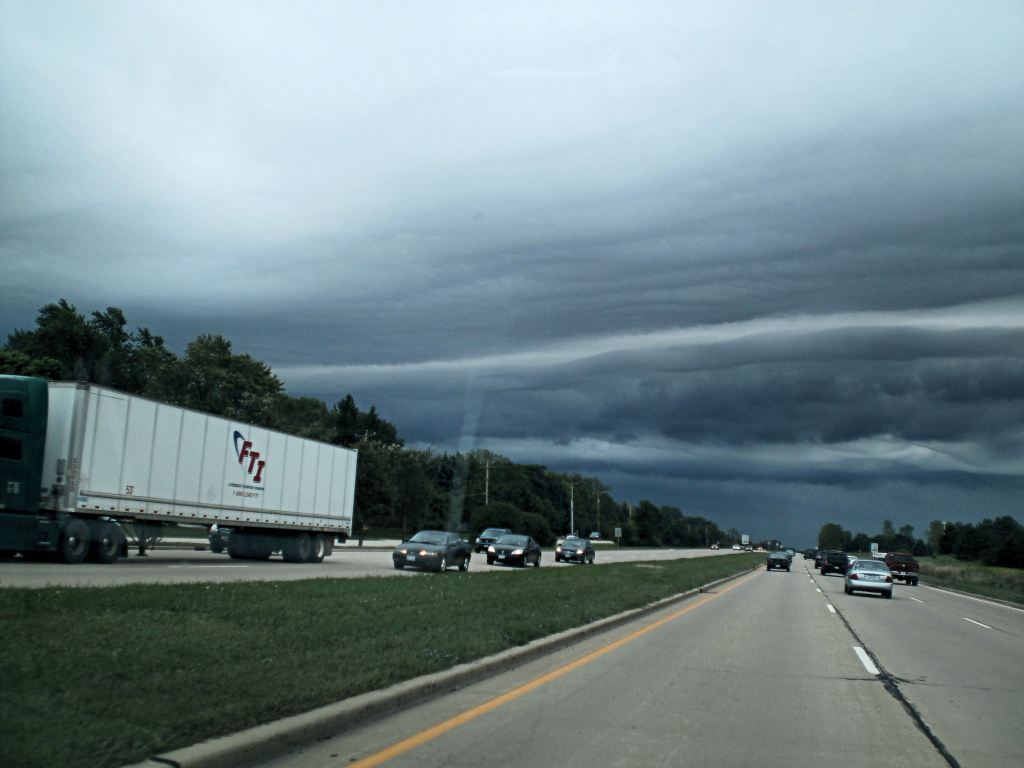
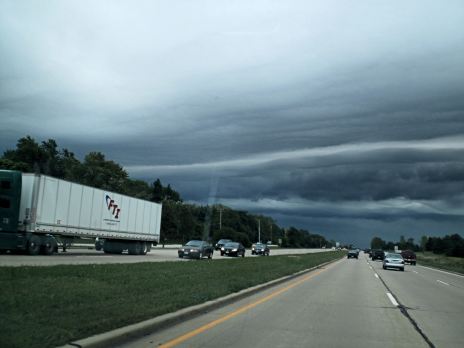
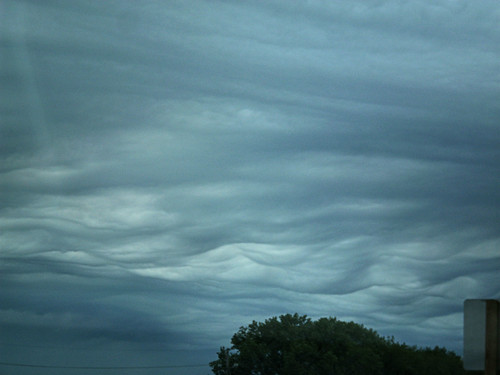
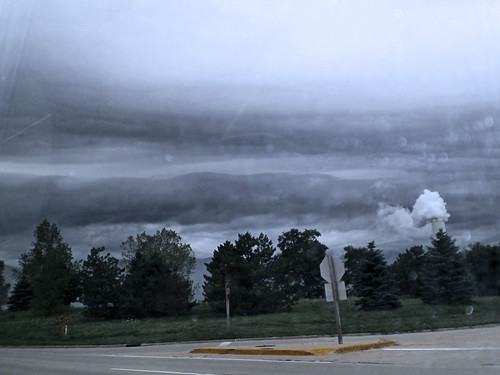
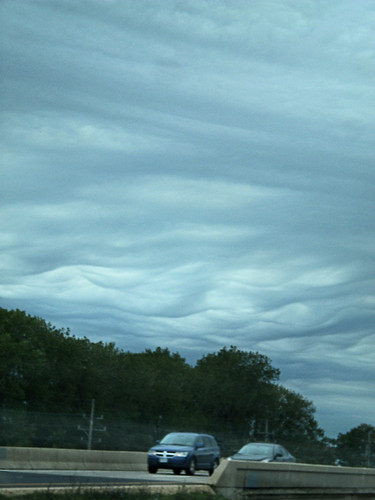
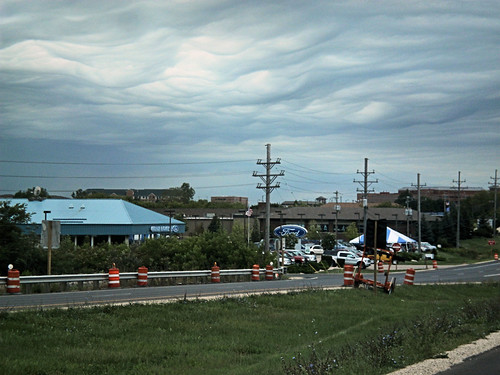
    While we were car shopping what was left of Hurricane Isaac hit Wisconsin.  The cloud formations were interesting.  It moved through in a ban and then it was cooler and clear.  I shot photos of the approaching when we were test driving various vehicles.  The BOY did the rain come and need all the rain we can get this year. Enjoy the odd clouds.

    view south on Green Bay road as front approaches

    as the edge covered us before the rain

    clouds turned from blue to grey as the rain rolled in

    under the linear were waves of clouds

    clouds over the Ford dealer

  • Local Landmarks Vary

    Local Landmarks Vary

    A view from near where I grew up

    Every community has its landmarks. Some stick around for a long time, even beyond the thing that caused them to be landmarks. I grew up in Greene County, Tennessee with such landmarks in my neck of the woods as the twin barns (now gone), dead man’s curve (no longer has much traffic due to by-pass), red gate (never seen a red gate any where near there), the broom factory (it’s not been there for almost 100 years), tin top, and a few others. All of which I know exactly where they are but if you haven’t lived there a while and learned the jargon you’d be as confused as hell by the directions from Mosheim “go out 11E toward Greeneville stay on it through dead man’s curve keep follerin’ it past the broom factory and make yer right between the twin barns.”

    Every time I’ve moved into a new community I’ve had to learn the local landmarks and jargon. The South seems to have more and more colorful ones than any other area I’ve lived. They are the basis for directions from the locals. Something that was much more important back in the days before everyone had a GPS. I’ve been in new towns following sketched directions on a paper towel looking for the two clowns so I could turn left all before the days of GPS.

    South side view

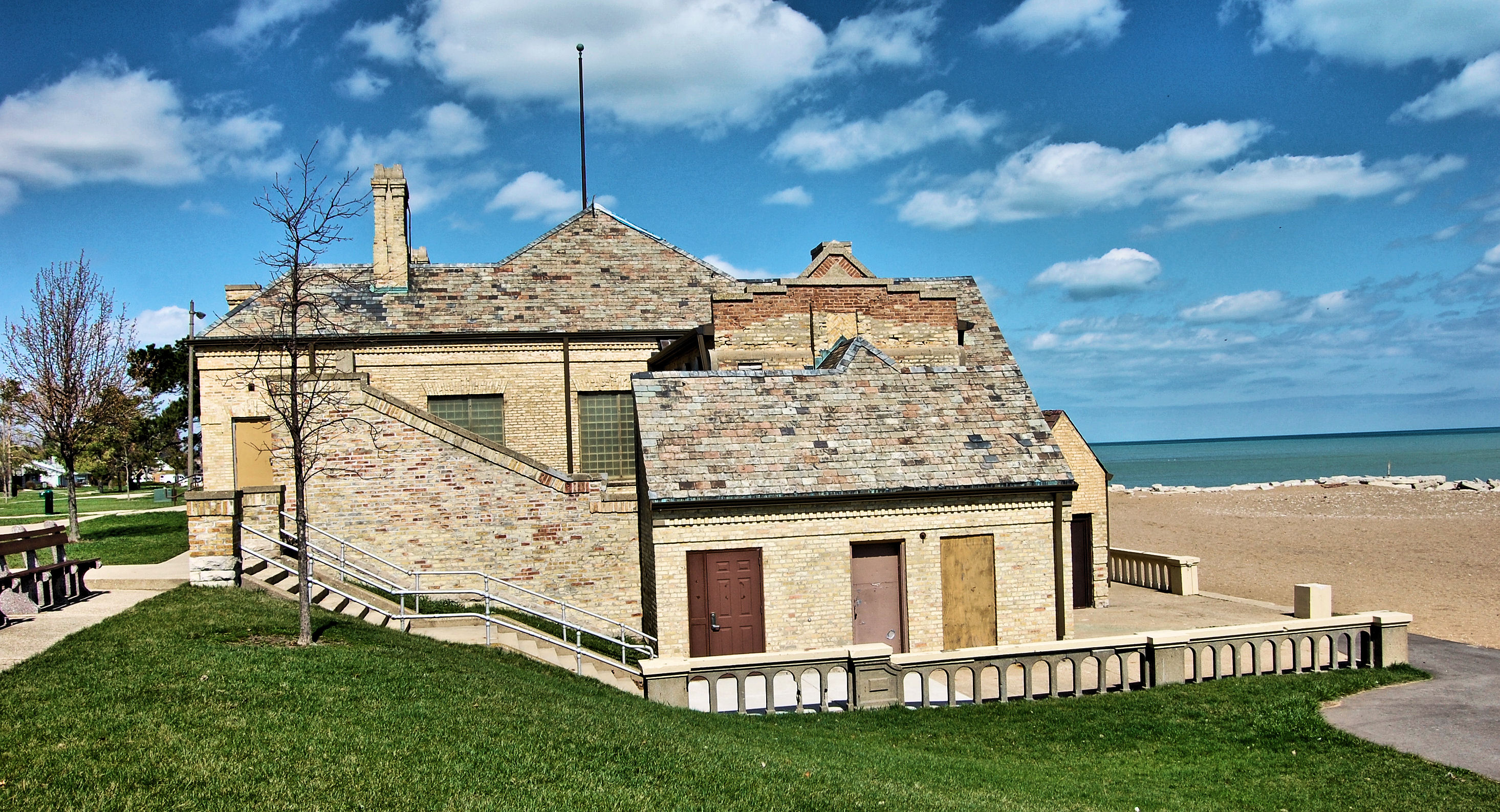
    Kenosha has a few but with the system of streets and avenues being numbered you don’t need them so much. Streets here run East West or as I remember it they go Splash into the lake S for street ya see. The higher the number the further North from the Illinois boarder you are. Avenues on the other hand go North South Along the lake, A for Avenue ya see. The higher the number the further west away from the lake you are. Got it? Simple if an address is 7563 19th Avenue (don’t know who that is just made it up) That place is between 75th and 76th Street on 19th Avenue. Given this system Kenosha doesn’t do much landmark directions but there are a few things that people reference.

    I’ve shared some with you already – Kemper Center, Simmons Island, Southport Beach House. Today I’m going to share three more with you.

    The famous or infamous Cosmo painted on the side

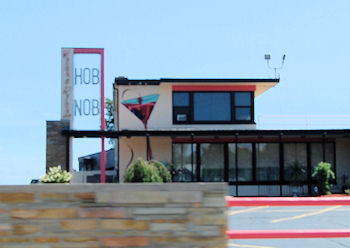
    The first is the Hob Knob. It was established in 1954 in the supper club style of the 50s. It’s kitchy by today’s standards but fun. Sitting right on the shore of Lake Michigan the views are unsurpassed. I’ve only eaten there once years ago. I don’t remember much about the food but I do remember the decoration made me expect to see Frank Sanatra lead in the Brat Pack telling them this was hip little dinner club just North of Chicago he was talking about.

    I snapped this picture as we drove by in the Mustang.  Yes the top was down and I was enjoying myself.  I always like the big Cosmo painted on the side of the building.  It just lets you know what you are in for when you go inside.  Dining there again but this time calling to be sure we get seats that face the lake is on our Kenosha bucket list.  Last time we had seats that faced the street but we walked in and took what’s available.  I really need to go by there at night when the neon is all lit up and snap some more shots.

    The classic sign and the new building

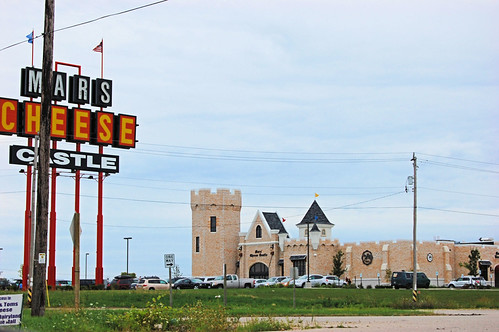
    Next up is a place on my Kenosha Bucketlist.  It’s been on the Food Channel as a great road trip stop.  Yes I’m speaking of none other than Kenosha’s cheese royalty the Mars Cheese Castle!  It’s been recently rebuilt to look more castle like.  However they kept their iconic sign.  Being next to the interstate where they get most of their business I’m told, it’s good to keep the logo.

    I’ve lamented that I have been delinquent in going into the Cheese Castle.  I mean I’ve been in and to the Brat Stop many times.  (subject of another post but let me say it’s not a place you stop for misbehaving kids but a bratwurst place). I’ve taken the exit from I-94 where it sits to head home as I did on the evening I snapped this photo.  But I’ve never gone into the place.  The locals tell me not to worry, it’s a tourist trap being the first big cheese place just north of Chicago.  It’s more known in the community for the iconic sign.  Well that I’ve seen so maybe that’s good enough.

    It seems that landmarks in Kenosha are food related.  There are more I’ll cover in the future there’s the afore mentioned Brat Stop, Sunnyside Wine Shop and Bar, Frank’s Diner, Capt Mike’s (gourmet mac’n’cheese), D’Angleos and several more.  Let me know what are your local landmarks and how are they used?  What were the landmarks of your childhood?  I’m thinking now when I go back to visit I’ll have to get photos of tin top, broom factory, and others too.

    Until next time!

  • Went To The County Fair and Other Stuff Was There

    Went To The County Fair and Other Stuff Was There

    Kenosha County Fair in Wisconsin
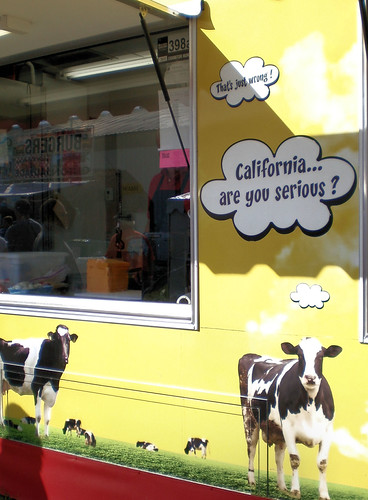
    The Wisconsin Dairy food stand’s paint job made me laugh.

    Our day at the fair was more than just gawking at livestock while they gawked at us. There were demonstrations by the Sheriff (tazed a rookie for us!), winners of competitions, midway, food (only got a diet coke but gawked at the offerings), crafts, sales, static displays, and concerts. All the stuff that makes a local county fair – a local county fair.

    We decided not to wait around two hours for the mud racing (in South that’s be racin’). I think Mike kinda regretted that but our day in the sun left us pleasantly tired and hungry. We stopped by one of our favorite Mexican restaurants to split our favorite burrito before heading home to watch movies and enjoy the lake breeze blowing through the house. All in all it was a fantastically relaxing day out.

    Kenosha County Fair in Wisconsin

    (more…)

  • We Went To the County Fair, All The Animals Were There

    We Went To the County Fair, All The Animals Were There

    Kenosha, Wisconsin
    My view of the road with the top down

    Saturday was a beautiful clear day. The weather was pleasant and we planned to head out to the country fair. We’ve lived in Kenosha eight years now. We have never gone to the county fair. Where I grew up south of the Mason Dixon fairs were fall things to attend say in September or early October. Here they are things to do in August. To many times they just passed us by because we never thought of it until it was too late.

    On this glorious day we put the top down on Mike’s Mustang and headed out from the lake toward the west end of the county. We’re not too familiar with this area of the county tending to be lake people you see. We spent some time driving about in the general area of the fair feeling our way there. Luckily we did find it. Despite our theorizing they kept packing it up and moving it when we got close.

    There was one downside. I didn’t get to take my trusty Nikon with me. I’d forgotten to charge the batter D’oh! So I took my small Olympus which I hadn’t used in so long I didn’t notice the white balance was set off for a sunny day. Also the Olympus only has the damn LED screen that’s useless in the bright sun. Yet another reason I shall prefer an SLR or at least require a viewfinder. So excuse some of the pictures harsh contrasts. The Nikon is charged now. I’ve reset the Olympus after re-familiarizing myself with the setting. Oh and I’m eyeballing one of these Agfaphoto cameras. I’m thinking Christmas list for this red baby right here.

    It was pretty much like the Greene County fairs I grew up attending. The only difference was the fields were flat and we were glad to have a cool day instead of hoping for a warm one. We paid our fee and set about taking in the sights from displays, to livestock, to demonstrations, to contest winners, to concerts and finally the midway. It was classic Americana of a county fair.

    Kenosha County Fair, Wisconsin
    Our local newspaper’s mascot

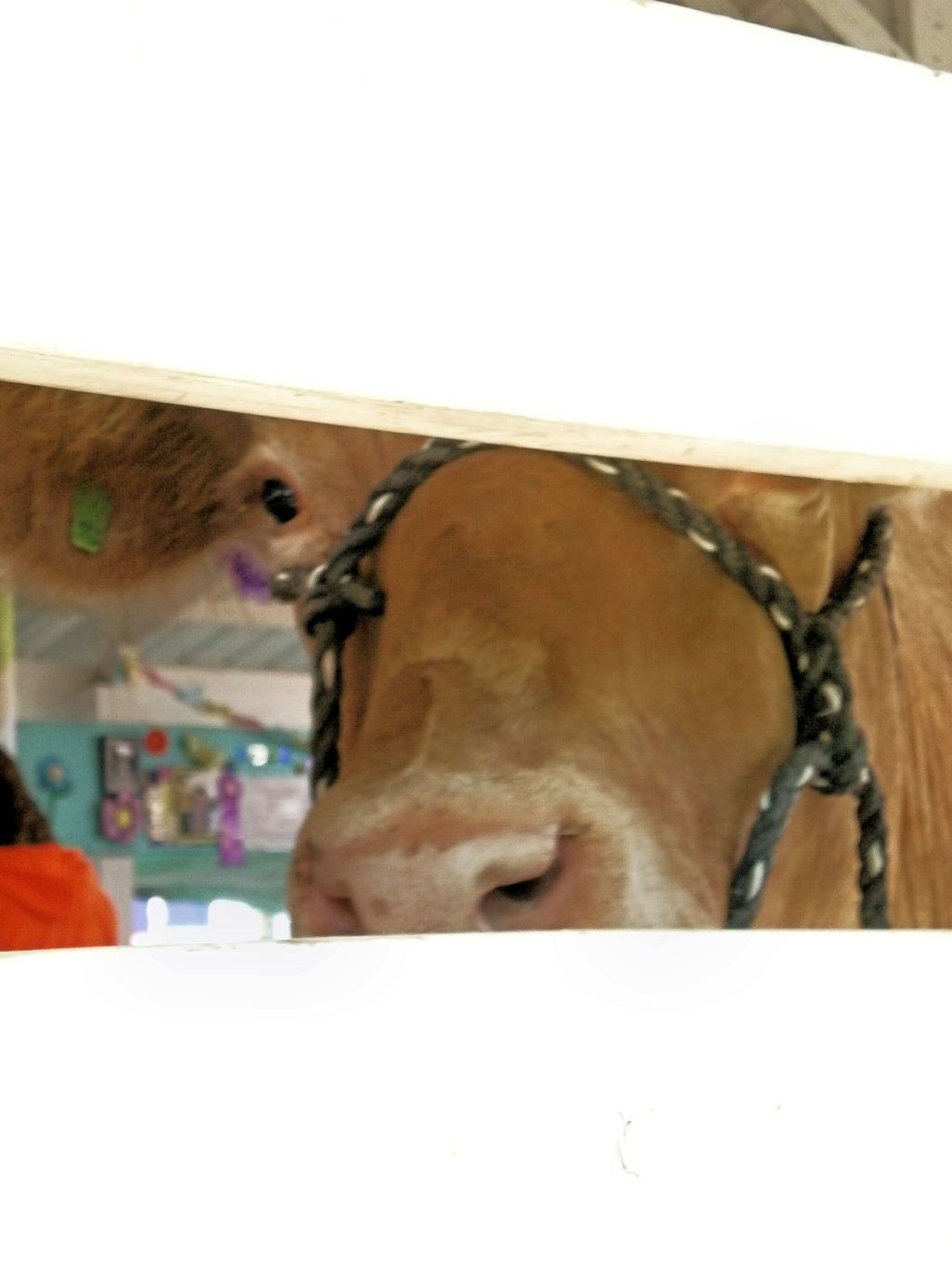
    Back to a great day at the fair, I made many pictures. I’ve broken them up into two posts. This one is centered on my favorite part – the animals. The next post will the other stuff. Come and enjoy the sights with me. (There’s more on Flickr just click on any photo to hop over there and surf until you’re content.)

    (more…)